

How Much Does a Solid Wood Entry Door Cost? Pricing Guide in Long Island City, NY
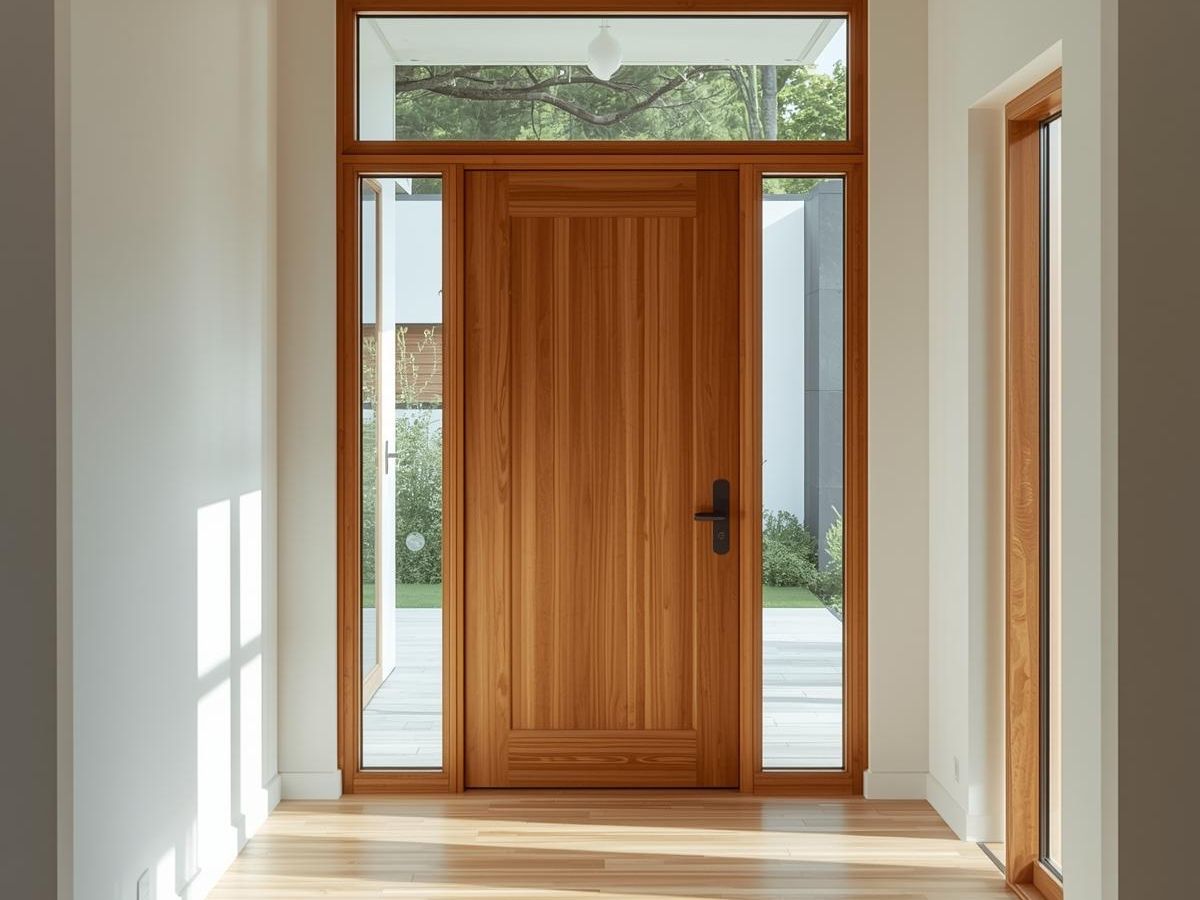
Planning to upgrade your home's entry door in Long Island City? Solid wood doors make powerful first impressions while delivering superior security, insulation, and longevity. But how much is a wooden door for your front entrance?
The answer depends on several factors, including wood species, door size, hardware selection, and installation complexity. Properties throughout Queens County face unique requirements based on architectural style, climate exposure, and security needs.
At Fifty Three Restorations Inc, we've installed and restored hundreds of solid wood entry doors across Astoria, Bayside, Flushing, Forest Hills, Jackson Heights, and Kew Gardens over 30 years. We understand the investment a quality entry door represents and want to help you make an informed decision.
This guide explains what to consider when choosing a solid wood entry door. You'll learn what factors influence the project, where to focus for maximum value, and when professional installation becomes essential. Whether you're restoring a historic brownstone or upgrading a contemporary home, you'll get the facts you need to make confident decisions.
The short version: a complete solid wood entry door project includes the door, hardware, and professional installation. Custom work, premium woods, and complex installations sit at the higher end of the range, while basic pine or fir doors with standard hardware sit at the lower end.
Understanding Solid Wood Entry Doors: What Sets Them Apart
Entry doors differ significantly from interior doors in construction, materials, and performance requirements. These differences set them apart in quality and performance.
Why Solid Wood Stands Apart
Solid wood entry doors use premium lumber throughout their entire construction. Unlike hollow core or engineered doors, solid wood doors contain no filler materials, veneers over composite cores, or air spaces. This construction delivers superior strength, durability, sound dampening, and insulation.
The manufacturing process requires careful wood selection, precise joinery, and extended curing time. Premium grades of wood with minimal defects and skilled craftsmanship set these doors apart from mass-produced alternatives.
These factors set premium doors apart. A well-made solid wood door lasts 30 to 50 years with proper maintenance, far exceeding lesser alternatives that need replacement every 5 to 15 years.
Wood Species and Their Characteristics
Different woods offer different characteristics based on availability, workability, and performance:
- Pine and fir: Practical and widely available, but requires regular maintenance.
- Red oak and white oak: Excellent durability with moderate weather resistance.
- Maple and cherry: Beautiful grain with good stability.
- Mahogany: Superior weather resistance and rich appearance.
- Walnut: Premium appearance with excellent stability.
- Teak: Exceptional weather resistance with minimal maintenance.
For properties near the Museum of the Moving Image or along 39th St, wood selection depends on exposure to weather, architectural style, and maintenance preferences. Covered entries can use less weather-resistant species. Exposed south and west-facing doors need superior protection.
How Door Size Affects the Project
Standard entry doors measure 36 inches wide by 80 inches tall. These common dimensions benefit from manufacturing efficiency. Custom sizes require more material and fabrication depending on how far dimensions deviate from standard.
Oversized entries, double doors, and doors with sidelights or transoms require more material and labor than a single standard door.
Properties in Forest Hills and Jackson Heights often feature grand entries requiring custom work. Plan accordingly for these distinctive installations.
Construction Details That Affect the Door
Panel configuration, glass inserts, decorative carving, and period-specific details all add complexity. Simple slab doors are more straightforward than multi-panel designs. Doors with leaded glass, beveled glass, or custom glass work are considerably more involved to produce.
Historic properties may require exact reproductions of original details. This custom fabrication is more involved than selecting standard designs but preserves architectural integrity and property value.
Why Entry Door Installation Is More Involved
Entry door installation involves weatherproofing, security considerations, threshold installation, and precise fitting that interior doors don't require. Professional installers spend 4 to 8 hours on a typical entry door compared to 1 to 2 hours for interior doors.
The work includes removing old doors, preparing rough openings, installing weatherstripping, adjusting thresholds, fitting locksets, and ensuring proper clearances. These steps protect your investment and ensure decades of reliable performance.
Common Mistakes When Buying Entry Doors
Property owners often make costly errors during entry door projects. Avoiding these mistakes protects your investment and prevents frustration.
1. Selecting Style Over Substance
Beautiful doors that can't withstand Queens County's climate become serious problems. Temperature swings from below zero to over 90°F, high humidity, direct sun exposure, and salt air from nearby waterways all challenge entry doors.
Choosing wood species based solely on appearance ignores performance needs. Pine looks attractive but requires frequent maintenance in exposed locations. Mahogany or teak resist weather damage far better.
Match wood selection to your specific exposure conditions. Covered entries offer more flexibility. Fully exposed doors need premium weather-resistant species.
2. Underestimating Installation Complexity
Entry door installation requires specialized knowledge and tools. Improper installation leads to air infiltration, water damage, security vulnerabilities, and premature door failure.
Common installation mistakes include inadequate weatherproofing, incorrect threshold height, poor shimming, and weak strike plate mounting. These errors compromise both performance and longevity.
Professional installation ensures your door functions correctly. The effort pays off through energy efficiency, security, and avoiding premature replacement.
3. Overlooking Hardware Quality
Entry door hardware significantly impacts both function and longevity. Quality locksets, deadbolts, hinges, handles, and weatherstripping vary by security level and finish quality.
Low-grade hardware fails quickly and compromises security. Premium hardware operates smoothly, resists corrosion, and lasts decades. This category deserves real attention from the start.
4. Forgetting About Finish Requirements
Unfinished doors need sealing, staining or painting, and protective topcoats before installation. Professional finishing ensures even coverage and proper protection.
Skipping proper finishing or attempting it yourself without experience leads to uneven color, inadequate protection, and premature finish failure. Our architectural woodwork finishes service delivers factory-quality results with appropriate weather protection.
5. Buying Based on Initial Cost Alone
The cheapest door rarely provides the best value. Low-quality doors need frequent maintenance and early replacement. A door that lasts only 8 years can work out worse than one that lasts 40 years once you factor in replacement labor and disruption.
Think in terms of long-term value rather than just the initial choice. Quality doors from experienced installers deliver decades of reliable service with minimal maintenance.
Professional Entry Door Selection and Installation
Quality installation determines whether your entry door delivers its full potential. Here's what professional service includes.
Step 1: In-Home Consultation
Experienced installers visit your property to assess the existing door, opening dimensions, architectural style, and specific requirements. They evaluate exposure to weather, security concerns, and any historic preservation considerations.
For properties in Astoria and Bayside, this assessment includes examining surrounding woodwork that may need matching or restoration. We identify any structural issues requiring correction before door installation.
Step 2: Door Recommendation and Selection
Based on your style preferences and performance needs, installers recommend appropriate door options. They explain differences between wood species, construction methods, and finish options.
Custom doors require detailed specifications including exact dimensions, panel configurations, glass selections, and hardware requirements. Standard doors ship faster but may need modifications for perfect fit.
Step 3: Accurate Measurement
Professional measurement ensures your door fits correctly. Installers measure rough opening width, height, and depth at multiple points. They check for level, plumb, and square conditions that affect installation.
Out-of-square openings need correction during installation. Identifying these issues early prevents surprises and allows proper planning.
Step 4: Opening Preparation
The existing door and frame get removed carefully, especially on historic properties where surrounding trim has value. The rough opening gets inspected for rot, damage, or structural problems requiring attention.
Any necessary repairs happen before new door installation. This preparation ensures solid attachment points and proper support for your new door's weight.
Step 5: Frame and Door Installation
New frames get set level and plumb, then securely attached to surrounding structure. Proper shimming maintains consistent reveals while preventing frame distortion.
The door gets hung with appropriate clearances on all sides. Gaps allow smooth operation while accommodating weatherstripping. Installers verify the door swings freely without binding or rubbing.
Step 6: Weatherproofing and Sealing
Quality weatherstripping gets installed around the entire perimeter. The threshold gets adjusted to proper height for effective sealing without impeding door operation. All gaps between frame and rough opening receive proper insulation and sealing.
These weatherproofing steps prevent air infiltration, water penetration, and energy loss. They're critical for comfort and efficiency in Queens County's variable climate.
Step 7: Hardware Installation and Adjustment
Locksets, deadbolts, handles, and hinges get installed according to manufacturer specifications. Strike plates receive reinforcement for security. All hardware gets adjusted for smooth operation.
Professional installers know proper screw lengths, reinforcement techniques, and adjustment procedures that ensure years of trouble-free operation.
Step 8: Final Finishing
Exterior caulking seals all appropriate joints. Any touch-up painting or staining addresses minor scratches or adjustments. The door receives final cleaning and protection.
For our interior & exterior architectural woodwork projects, we coordinate all finishing work to match existing woodwork throughout your property.
Step 9: Operation Testing and Customer Walkthrough
Installers test door operation, lock function, and weatherstripping effectiveness. They demonstrate proper use and maintenance requirements. Any questions get answered thoroughly.
Professional installers provide warranties covering both materials and labor, giving you confidence in your investment.
Local Factors Affecting Entry Doors in Queens
Long Island City and surrounding Queens neighborhoods present specific considerations affecting solid wood entry door selection and performance.
New York City Building Code Requirements
Entry doors must meet specific requirements for fire resistance, egress width, and hardware specifications. Multi-family buildings face additional regulations regarding fire ratings and self-closing mechanisms.
Professional installers understand these codes and ensure compliance. Permits may be required for entry door replacement in certain situations. Licensed contractors handle permit applications and coordinate required inspections.
Historic District Regulations
Properties in designated historic districts face restrictions on door replacements. New doors must match original styles, materials, proportions, and details. The Landmarks Preservation Commission reviews exterior changes.
Fifty Three Restorations Inc specializes in period-appropriate reconstructions that meet preservation standards. We've completed numerous historic restoration projects maintaining architectural authenticity while improving performance.
Climate and Weather Exposure
Queens County's coastal proximity brings salt air accelerating wood deterioration. Temperature fluctuations cause wood expansion and contraction. Driving rain tests weatherproofing systems. Direct sun exposure fades finishes and dries wood.
Professional installations include finishes, sealers, and weatherproofing designed for local conditions. These treatments extend door life and maintain appearance despite challenging exposure.
Security Considerations
Urban properties need robust security features. Solid wood construction provides inherent strength. Quality deadbolts with one-inch throws, reinforced strike plates with 3-inch screws into framing, and solid hinges with non-removable pins create effective security.
The security these features provide protects both property and residents. Some insurers also view proper security features on entry doors favorably.
Energy Efficiency Standards
New York's energy codes encourage efficient building envelopes. Solid wood doors provide good insulation values, especially when properly weatherstripped. Weather-exposed entries benefit from storm doors adding another layer of protection.
Energy-efficient doors improve comfort and reduce energy use throughout the year. This ongoing benefit adds up over the door's lifetime.
Practical Tips for Entry Door Projects
These actionable suggestions help you manage your entry door project successfully and get maximum value.
1. Take Accurate Measurements Early
Measure your rough opening width, height, and depth at three points each. Note any variations exceeding 1/4 inch. Photograph the existing door, frame, and surrounding trim. Share these details with installers for accurate planning.
2. Consider Your Home's Architectural Style
Match your door to your home's design period and character. Colonial homes look best with traditional panel doors. Victorian properties suit ornate designs. Modern homes pair well with clean-lined contemporary doors.
Mismatched styles hurt curb appeal and resale value. When uncertain, consult with experienced installers familiar with your neighborhood's architectural character.
3. Plan for Lead Times
Standard doors typically ship within 2-4 weeks. Custom doors require 6-12 weeks for fabrication. Factor these timelines into your project schedule, especially if coordinating with other renovation work.
Order during mild weather when installation conditions are optimal. Avoid winter installations when temperature extremes complicate finish curing and adjustment.
4. Understand Maintenance Requirements
Different wood species need different maintenance levels. Mahogany and teak require minimal care. Pine and oak need more frequent finish attention. Ask about maintenance requirements before selecting wood species.
Plan for refinishing every 5-7 years depending on exposure. This maintenance protects your investment and maintains appearance. Factor professional refinishing into your long-term plans.
5. Coordinate Related Work
Entry door replacement often reveals opportunities for complementary improvements. Consider updating surrounding trim, repainting entrance areas, improving lighting, or refreshing landscaping.
Coordinate these projects together for visual cohesion and scheduling efficiency. Our wood windows, doors and millwork service can handle multiple elements of your entrance upgrade.
Customer Success Story: Brownstone Entry Restoration
A homeowner in Forest Hills contacted us about replacing their 1930s brownstone's deteriorating entry door. The original door had been replaced decades earlier with a cheap hollow core door that looked inappropriate and performed poorly.
The homeowner wanted authentic period character while improving security and energy efficiency. We recommended a custom solid mahogany door matching 1930s design standards with modern performance features.
Our craftsmen fabricated a door with raised panels matching the era's proportions, installed leaded glass in the upper section, and applied a hand-rubbed finish matching the original color from paint analysis. We specified commercial-grade deadbolts and reinforced strike plates for security.
The project took four weeks from consultation to installation, including custom fabrication, high-security hardware, professional finishing, and installation. We also restored surrounding trim to complement the new door.
The homeowner reported immediate improvements in energy efficiency with noticeably reduced drafts. Neighbors commented on how the new door transformed the home's appearance. The authentic period details increased the home's value and curb appeal.
This restoration demonstrates how quality entry doors enhance both aesthetics and function. The investment restored the home's architectural integrity while delivering modern performance and security.
Fifty Three Restorations Inc Serving the Long Island City Community and Beyond
Fifty Three Restorations Inc is dedicated to serving the diverse needs of the local community throughout Long Island City and beyond. With our convenient location in Queens County, we proudly offer wood windows, doors and millwork, architectural woodwork, and restoration services to residents throughout the area.
Located at 38-16 Skillman Ave # B, Long Island City, NY 11101, our team is easily accessible from Astoria, Bayside, Flushing, Forest Hills, Jackson Heights, and Kew Gardens. We serve customers across Queens County and surrounding communities.
Quick Access Information:
- Only 5 minutes from Museum of the Moving Image
- Easy access via 39th St
- Serving residents across Astoria, Forest Hills, and Jackson Heights
We understand that finding quality solid wood entry door installation and restoration services close to home matters. Property owners throughout Queens County trust Fifty Three Restorations Inc for reliable, professional craftsmanship backed by 30+ years of experience.
For over three decades, we've specialized in historic preservation, restoration, reconstruction, and repair of architectural woodwork. Our expertise extends from standard entry door installations to complex period reproductions requiring custom fabrication and traditional techniques.
Whether you need a single entry door replaced or a complete entrance system restored, our team brings the skills and experience your project demands. We work with property owners, developers, architects, and interior designers to deliver results that exceed expectations.
Get Solid Wood Entry Door Services in Queens County Now
Call us today at 646-917-7394 or contact us online to discuss your entry door project.
Business Hours and Contact Information
Fifty Three Restorations Inc serves Long Island City and Queens County with professional solid wood entry door installation and restoration services. Our experienced team is ready to assist with your project.
Contact Information:
Phone: 646-917-7394
Address: 38-16 Skillman Ave # B, Long Island City, NY 11101
Website: https://fiftythreerestorations.com/
We respond to inquiries promptly and schedule consultations at your convenience. Our team visits your property to assess your specific needs and discuss your options.
For immediate assistance with entry door projects, call us directly. For general inquiries or project planning, use our online contact form. We'll respond within one business day to discuss your requirements and timeline.
Our service area includes all of Queens County with particular focus on Astoria, Bayside, Flushing, Forest Hills, Jackson Heights, Kew Gardens, and surrounding neighborhoods.
Get Your Solid Wood Entry Door Installed Today
Don't let an outdated or failing entry door compromise your home's security, energy efficiency, or curb appeal. Whether you need straightforward replacement or complex historic restoration, Fifty Three Restorations Inc delivers the expertise your project requires.
Our 30+ years of experience in architectural woodwork means you get accurate answers to "how much is a wooden door" for your specific situation, quality materials, and skilled installation. We handle everything from initial consultation through final inspection, ensuring your complete satisfaction.
Call 646-917-7394 now to schedule your free consultation. Our team will assess your needs and discuss wood species and style options with no obligation.
Time-sensitive projects? We work efficiently to minimize disruption while maintaining our quality standards. Most entry door installations complete within one to two days depending on complexity.
Contact us today to transform your home's entrance with a beautiful, durable solid wood entry door that enhances security, efficiency, and value.
Conclusion
Solid wood entry doors represent a significant investment. Wood species, door size, hardware quality, and installation complexity all shape the project. That investment delivers decades of service, enhanced security, improved energy efficiency, and increased property value.
Queens County's climate, building codes, and architectural heritage all influence appropriate door selection. Professional installation ensures your door performs correctly and lasts its full expected lifespan. Quality hardware and proper finishing protect your investment and deliver reliable operation.
Fifty Three Restorations Inc brings three decades of experience to every entry door project in Long Island City and throughout Queens County. Our expertise in historic preservation and modern installation techniques delivers results that satisfy both aesthetic and performance requirements.
Ready to install or restore a solid wood entry door on your property? Call 646-917-7394 to speak with our team about your specific needs.
Find Fifty Three Restorations Inc on these local directories:
- Home Reno America - Metro New York Restoration
- The Blue Book - Fifty Three Restorations Inc
- Angi - Fifty Three Restorations Reviews
- MapQuest - Fifty Three Restorations Location
- Yelp - Fifty Three Restorations
Frequently Asked Questions
How much is a wooden door for my front entrance?
The answer depends on several factors rather than a single number. Wood species is the biggest driver, with practical options like pine and fir at one end and premium hardwoods like mahogany, walnut, and teak at the other. Beyond the door itself, the project includes professional installation, quality hardware, and weatherstripping. Door size, custom details, and finishing all play a role. A professional assessment of your entrance is the most reliable way to understand what your specific project will involve.
What's the difference between standard and custom entry doors?
Standard 36x80 doors are the most straightforward option, with the wood species being the main variable. Custom doors are more involved, since unique sizes, special panel configurations, decorative glass, or period-specific reproductions require individual fabrication. Historic properties in Astoria or Jackson Heights often need custom work to maintain architectural authenticity, which means more material, labor, and lead time.
Do I need professional installation for entry doors?
Yes. Entry doors require specialized installation including weatherproofing, security considerations, and precise fitting that significantly affects performance. Professional installation ensures proper operation, energy efficiency, and longevity. Improper installation compromises security, allows air and water infiltration, and leads to premature door failure. Professional installation protects your door investment.
How long do solid wood entry doors last?
Quality solid wood entry doors properly installed and maintained last 30-50 years in Queens County's climate. Mahogany and teak doors can exceed 50 years. The finish needs recoating every 5-7 years to protect wood from weather damage. Poor-quality doors or inadequate maintenance reduces lifespan to 10-20 years. Professional installation and appropriate finishes maximize door longevity.
Should I buy an unfinished door?
Unfinished doors give you control over the final finish, but they require proper sealing, staining or painting, and protective topcoats before installation. Professional finishing ensures even coverage and weather protection. DIY finishing only works well if you have the right skills, tools, and a weather-controlled workspace. Poor finishing leads to uneven appearance and inadequate protection, which can lead to premature failure.
Get Started with Your Project
Contact us today to schedule a consultation.
