

How Much Does Millwork Cost? A Complete Pricing Guide for Long Island City, NY Property Owners

Planning a renovation or restoration project in Long Island City? Understanding what goes into custom millwork helps you make informed decisions about your architectural woodwork needs. Whether you're restoring a historic brownstone in Astoria or upgrading a modern apartment in Forest Hills, custom millwork represents a significant investment in your property's value and aesthetic appeal.
Custom millwork varies based on wood species, design complexity, installation requirements, and project scope. In Queens County, property owners often face unique challenges when sourcing quality millwork services that balance craftsmanship with their needs. This guide breaks down everything you need to know about custom millwork, helping you avoid common pitfalls and make confident decisions for your space.
Fifty Three Restorations Inc has served the Long Island City community for over 30 years, providing honest guidance and expert craftsmanship for architectural woodwork projects. Let's explore what factors shape a millwork project and how to plan effectively.
Understanding Millwork: What You're Actually Getting
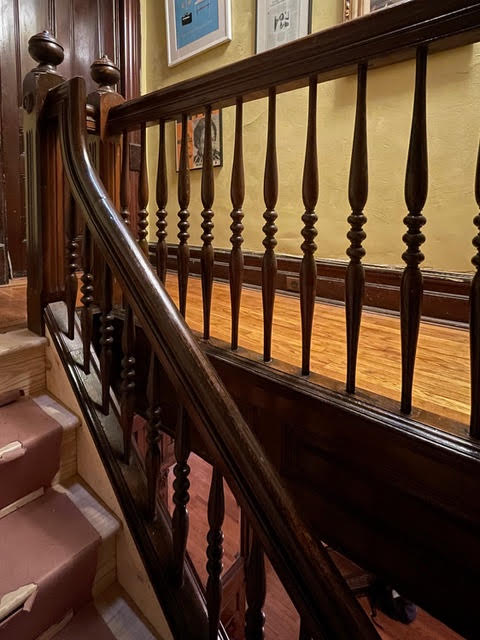
Millwork refers to custom-built wooden components manufactured in a mill and installed in buildings. This includes crown molding, baseboards, door frames, window casings, built-in cabinetry, staircases, wainscoting, and decorative trim work.
The term "millwork" distinguishes these crafted wooden elements from mass-produced lumber. Each piece is measured, designed, cut, and finished to match your specific architectural requirements. This customization sets millwork apart from off-the-shelf alternatives.
What makes millwork valuable in Queens County properties:
- Custom fit eliminates gaps and imperfections
- Period-appropriate designs preserve historical character
- Quality wood species offer lasting durability
- Professional installation ensures structural integrity
- Enhanced property value and curb appeal
- Unique aesthetic that reflects personal style
Property owners in neighborhoods like Jackson Heights and Kew Gardens often discover that their pre-war buildings require custom millwork to maintain architectural authenticity. Standard box-store moldings rarely match the profiles and proportions of original woodwork in these historic structures.
Material selection plays a major role in the result. Pine and poplar are practical options suitable for painted finishes. Oak, maple, and cherry fall into the mid-range category, offering beautiful grain patterns for stained applications. Mahogany, walnut, and exotic hardwoods are premium choices that deliver unmatched beauty and longevity.
The craftsmanship behind millwork matters just as much. Experienced millworkers possess specialized skills in joinery, shaping, and finishing that mass production cannot replicate. When you invest in quality millwork, you're getting decades of expertise that shows in every detail.
Common Mistakes Property Owners Make With Millwork
1. Comparing Custom Millwork to Big-Box Store Products
Many property owners see molding at hardware stores and expect custom work to be comparable. This overlooks the vast difference between machine-extruded stock profiles and site-measured, custom-milled pieces. Stock molding comes in standard sizes that rarely match existing profiles in older buildings. Custom millwork matches your exact specifications, wood species, and architectural style.
2. Underestimating Installation Complexity
Materials represent only part of the project. Installation requires skilled labor, especially for wood windows, doors, and millwork in older buildings. Uneven walls, out-of-square openings, and concealed obstacles add time and complexity. Property owners who account for materials alone face surprises when installation proves more involved than expected.
3. Skipping the Finishing Process
Raw millwork needs sanding, priming, painting, or staining before installation. Some property owners assume they can handle finishing themselves, only to discover the time commitment and skill required for professional results. Poor finishing ruins beautiful millwork and is harder to correct than getting it done right initially.
4. Choosing Price Over Experience
The cheapest option often comes from inexperienced contractors who underestimate project requirements. These contractors may cut corners on materials, rush installation, or lack the skills to handle complications. The resulting poor quality requires repairs or complete replacement that undoes any early appeal.
5. Failing to Account for Preparatory Work
Millwork installation often requires surface preparation, including wall repairs, leveling, and structural modifications. Removing old millwork, patching damage, and addressing water damage or rot adds to project scope. Property owners who skip thorough inspections face surprises when contractors discover hidden issues.
Professional Millwork Services: How Quality Work Gets Done
Professional millwork follows a systematic approach that ensures quality results and a predictable process. Understanding this process helps you evaluate contractors and set realistic expectations.
Step 1: Initial Consultation and Assessment
The process begins with a site visit to evaluate your space, discuss your vision, and identify potential challenges. Experienced millworkers examine existing conditions, take detailed measurements, and photograph areas requiring attention. This assessment reveals structural issues, moisture problems, or other factors affecting project scope.
Step 2: Design Development
Based on your preferences and architectural style, the millworker creates detailed drawings showing profiles, dimensions, and specifications. For restoration work, this may involve matching historical profiles or adapting traditional designs to modern applications. Design approval ensures everyone shares the same vision before production begins.
Step 3: Material Selection and Sourcing
Choosing appropriate wood species balances aesthetic preferences and performance requirements. The millworker helps you understand trade-offs between different options and sources quality lumber that meets project specifications. Premium projects may require specialty woods or reclaimed materials that need advance ordering.
Step 4: Custom Fabrication
Skilled craftsmen transform raw lumber into finished millwork using specialized equipment and techniques. This includes cutting, shaping, joining, and sanding each piece to exact specifications. Quality control at this stage prevents installation problems and ensures tight-fitting joints and smooth surfaces.
Step 5: Finishing Application
Professional woodwork finishes protect wood and enhance its natural beauty. This may include staining to highlight grain patterns, sealing to prevent moisture damage, and applying topcoats for durability. Multiple coats with proper drying time between applications ensure lasting results.
Step 6: Site Preparation
Before installation, the work area receives thorough preparation. This includes protecting flooring and furnishings, removing existing millwork if needed, repairing substrate damage, and ensuring level surfaces. Proper preparation prevents installation issues and protects your property.
Step 7: Expert Installation
Experienced installers position each piece with precision, using appropriate fasteners and adhesives. They scribe pieces to fit irregular surfaces, create tight joints at corners and connections, and ensure plumb and level alignment. Attention to detail during installation determines the final appearance and longevity of your millwork.
Step 8: Final Inspection and Touch-Up
After installation, the millworker inspects all work for quality and completeness. Any minor imperfections receive attention through filling, sanding, and finish touch-up. The goal is millwork that looks factory-fresh and performs flawlessly for decades.
Why Local Expertise Matters in Queens County
Long Island City and surrounding Queens neighborhoods present specific conditions that affect millwork projects. Local contractors understand these factors and plan accordingly.
The region's pre-war and historic buildings feature unique architectural details that require period-appropriate restoration. Many properties in Astoria and Bayside contain original millwork from the early 1900s, featuring profiles and proportions no longer available in standard catalogs. Matching these details requires pattern-making skills and historical knowledge.
Climate conditions in the area create seasonal expansion and contraction in wood. Humidity fluctuations between summer and winter can measure 30 percentage points or more, causing wood movement that must be accommodated during installation. Local contractors account for this by leaving appropriate gaps and using construction techniques that allow seasonal adjustment.
Building codes and landmark regulations in Queens County may restrict renovation approaches or require specific approvals. Properties in historic districts face additional scrutiny, with preservation boards reviewing proposed changes to ensure compatibility with original character. Experienced local contractors navigate these requirements efficiently.
Access challenges in urban settings affect project logistics. Limited parking near 39th Street and other major roads complicates material delivery. Narrow hallways, tight staircases, and small elevators in apartment buildings require careful planning to move materials and equipment to work areas. Local contractors factor these constraints into project planning.
The diverse architectural styles across Queens neighborhoods demand versatile expertise. Victorian homes in Flushing feature different millwork than Art Deco buildings in Jackson Heights or Colonial Revival houses in Kew Gardens. Contractors familiar with the area recognize these distinctions and adapt their approach to each property's unique character.
Millwork Project Factors: What Affects Your Investment
Several variables influence a millwork project, making it difficult to generalize without project-specific information. Understanding these factors helps you make informed comparisons.
Material selection varies widely based on wood species, grade, and availability. Domestic hardwoods like oak and maple are more readily available than imported species like mahogany. Clear grades without knots or defects are premium choices. Reclaimed wood or specialty materials add to a project's scope.
Design complexity directly impacts labor hours and skill requirements. Simple baseboards and casing are more straightforward than elaborate crown molding with multiple profiles. Built-in cabinetry with custom details requires more fabrication time than straightforward trim work. Curved elements, carved details, and specialty joinery add considerable complexity.
Project scope affects overall efficiency. Trimming out a single room is less efficient per unit than completing an entire house, because setup time and material spread across fewer pieces. Larger projects gain efficiency.
Finish requirements add labor and material. Paint-grade millwork is more straightforward than stain-grade because it accepts lower wood grades and simpler construction. Custom stain matching, hand-rubbed finishes, and specialty coatings add to the finishing work. Multiple coats and extensive prep work add labor.
Installation challenges create variability. New construction with square walls and predictable conditions allows efficient installation. Older buildings with irregular surfaces, concealed obstacles, and structural issues require extra labor. Working around existing finishes, furniture, and occupied spaces slows progress.
Location also plays a role, through regional labor availability, material sourcing, and market conditions. Long Island City's proximity to Manhattan and the competitive Queens market shape the local landscape.
Individual circumstances vary significantly, so a professional assessment based on your specific requirements is the most reliable guide.
Practical Tips for Planning Your Millwork Project
Compare Detailed Proposals From Several Contractors
Request detailed proposals from at least three qualified contractors, ensuring each itemizes materials, labor, and finishing. Compare the scope of work, materials specified, and included services across them. A sparse proposal may leave out important elements that others include, so weigh what each one actually covers.
Prioritize High-Impact Areas
If you can't do everything at once, focus your millwork where it delivers maximum visual impact. Entry halls, living rooms, and primary bedrooms benefit most from quality millwork. Secondary spaces can use simpler profiles or be addressed in future phases.
Consider Paint-Grade Options
Paint-grade millwork is more straightforward than stain-grade because it accepts more practical wood species and simpler joinery. If you plan to paint anyway, specify paint-grade materials without compromising appearance. MDF offers another practical alternative for painted applications, though it lacks the workability and repairability of solid wood.
Plan for Future Phases
Breaking large projects into manageable phases lets you address immediate priorities first and spread the work over time. Complete one floor or section before moving to the next. This approach also lets you evaluate contractor performance on a smaller scale before committing to extensive work.
Maintain Your Investment
Proper maintenance extends millwork life and protects your investment. Regular dusting, periodic cleaning with appropriate products, and prompt attention to damage prevents bigger repairs down the line. Monitor for moisture issues, especially around windows and doors, and address problems quickly to prevent wood rot.
Real Results: Historic Brownstone Restoration in Astoria
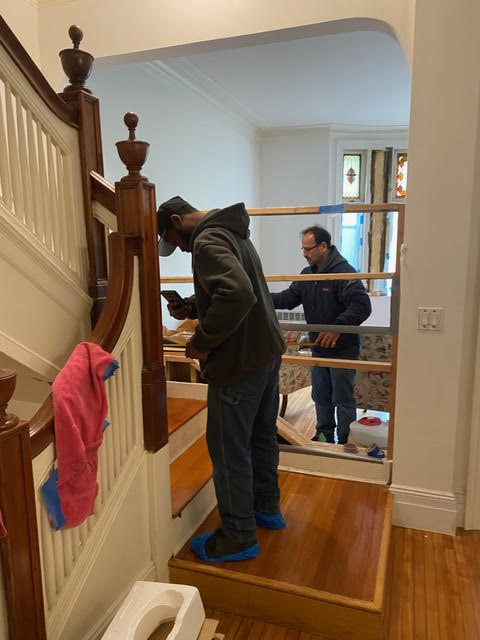
A property owner in Astoria contacted Fifty Three Restorations Inc to restore deteriorated millwork in a 1920s brownstone. The project included replacing water-damaged window casings, reconstructing missing crown molding profiles, and refinishing original baseboards throughout the parlor floor.
The restoration required matching existing profiles using period-appropriate techniques and materials. Our craftsmen created custom knives to mill matching crown molding, sourced quarter-sawn white oak for window casings, and carefully stripped and refinished original baseboards.
The project took eight weeks from initial consultation to completion, covering materials, labor, and finishing. The results transformed the space, restoring its original character while addressing decades of damage and neglect.
The property owner noted the immediate impact on their home's appearance and the careful attention to detail throughout the project. Six months later, they contacted us again to schedule work on the upper floors, citing their satisfaction with the quality and professionalism of our team.
Fifty Three Restorations Inc Serving the Long Island City Community and Beyond
Fifty Three Restorations Inc is dedicated to serving the diverse needs of the local community in Long Island City. With our convenient location near Queens County, we proudly offer interior and exterior architectural woodwork, wood windows, doors and millwork, and architectural woodwork finishes to residents throughout the area.
Located at 38-16 Skillman Ave # B, Long Island City, NY 11101, our team is easily accessible from Astoria, Bayside, Flushing, Forest Hills, Jackson Heights, and Kew Gardens, and serves customers across Queens County and surrounding communities.
Quick Access Information:
- Only 10 minutes from Museum of the Moving Image
- Easy access via 39th St
- Serving residents across Astoria, Bayside, Flushing, Forest Hills, Jackson Heights, Kew Gardens
We understand that finding quality millwork services close to home matters. Property owners throughout Queens County trust Fifty Three Restorations Inc for reliable, professional woodwork that honors architectural heritage while meeting modern performance standards.
Our 30+ years of experience serving Long Island City and surrounding neighborhoods gives us deep familiarity with the area's architectural styles, building conditions, and restoration challenges. We've worked on everything from pre-war apartment buildings to Victorian homes, developing expertise across the full range of local properties.
Get Millwork Services in Queens County Now!
Call us today at 646-917-7394 or contact us online to schedule your consultation.
Business Hours & Contact Information
Fifty Three Restorations Inc welcomes your inquiries about millwork projects and planning. Our experienced team provides honest assessments and clear communication throughout your project.
Contact Details:
Phone: 646-917-7394
Address: 38-16 Skillman Ave # B, Long Island City, NY 11101
Website: https://fiftythreerestorations.com/
We respond to inquiries within one business day and schedule consultations at your convenience. Site visits help us understand your specific needs and tailor our recommendations to your project.
Our team serves property owners across Queens County, including Long Island City, Astoria, Bayside, Flushing, Forest Hills, Jackson Heights, and Kew Gardens. We also work throughout the greater New York metropolitan area on projects requiring specialized restoration expertise.
Ready to Discuss Your Millwork Project?
Understanding what goes into custom millwork empowers you to make informed decisions about your property improvements. Whether you're planning a historic restoration, upgrading existing trim, or creating custom built-ins, professional guidance ensures quality results.
Fifty Three Restorations Inc brings over 30 years of millwork expertise to every project. Our commitment to craftsmanship, attention to detail, and honest service has earned the trust of property owners throughout Long Island City and Queens County.
Don't let uncertainty delay your project. Contact us today at 646-917-7394 for a detailed consultation. Our team will assess your specific requirements, explain your options, and help you plan with confidence.
Visit our contact page to schedule your consultation or request more information about our services. We look forward to helping you achieve your vision with quality millwork that enhances your property's beauty and value for generations.
Conclusion
Custom millwork reflects the materials, craftsmanship, and expertise required to create architectural woodwork that enhances your property. While every project varies, informed property owners recognize that quality millwork represents an investment in lasting beauty, functionality, and property value.
Long Island City and Queens County properties deserve millwork that respects their architectural character while meeting modern performance standards. Local expertise matters when navigating the unique challenges these buildings present, from matching historic profiles to accommodating seasonal wood movement.
Fifty Three Restorations Inc has served the community for over three decades, earning a reputation for quality work and exceptional customer service. Our honest assessments, clear communication, and commitment to craftsmanship give you confidence throughout your project.
Contact us today at 646-917-7394 to discuss your millwork needs. Let our experience work for you, delivering millwork that exceeds expectations while respecting your timeline.
FAQs
How long does custom millwork take from order to installation?
Typical projects require 6-12 weeks from initial consultation to completed installation. This includes design approval, material sourcing, fabrication, finishing, and installation. Complex projects or specialty materials may extend timelines. Rush orders are sometimes possible, though quality suffers when production is hurried.
Can I install millwork myself?
Installation requires specialized tools, skills, and experience that most homeowners lack. Poor installation ruins quality millwork through improper joints, gaps, uneven alignment, and finish damage. DIY installation risks poor results and wasted materials. Most property owners find professional installation well worth it.
Should I repair existing millwork or replace it entirely?
This depends on the condition of existing pieces and your project goals. Surface damage, loose joints, and minor rot are often simpler to repair than to replace. Extensive damage, missing sections, or a desire for different profiles favor replacement. Experienced contractors assess existing conditions and recommend the most practical approach.
What makes Long Island City a good area for millwork projects?
Long Island City has a competitive market with skilled contractors serving diverse projects. Proximity to material suppliers and efficient logistics help maintain quality standards, while local craftspeople bring deep familiarity with the area's pre-war and historic buildings.
How do I avoid problems when hiring a millwork contractor?
Work with licensed, insured contractors who provide detailed written scopes of work and clear timelines. Reputable contractors structure projects around defined milestones and completion. Be cautious of anyone demanding full payment upfront or insisting on cash-only arrangements, as these often signal problems. Checking references and reviewing completed work helps you choose a contractor you can trust.
Local Business Listings
- Home Reno America - Fifty Three Restorations Inc
- The Blue Book - Fifty Three Restorations Inc
- Angi - Fifty Three Restorations Inc Reviews
- MapQuest - Fifty Three Restorations Inc
- Yelp - Fifty Three Restorations

Get Started with Your Project
Contact us today to schedule a consultation.
